Finding a trailer rental Utah requires matching the equipment to your specific cargo needs and ensuring your vehicle meets the necessary towing capacity. For a safe haul, you must distribute weight with a front-heavy bias and follow all state regulations regarding trailer width and height.
Hauling heavy equipment across the Wasatch Front or through the rugged terrain of Southern Utah is rarely a simple task. Many renters face the immediate stress of selecting a trailer that is either too light for the payload or improperly balanced for the climb. This lack of preparation can lead to dangerous trailer sway, fines for non compliance, or mechanical strain on your tow vehicle. At Juab Rentals, we understand that a successful haul depends on precision and local expertise. In this guide, we will help you navigate the process of choosing the right trailer for your specific load. You will learn the critical 60/40 rule for weight distribution, the essential towing laws unique to Utah, and professional techniques for managing steep canyon grades. Whether you are moving machinery or materials, this guide ensures your next rental is handled with absolute safety.
Understanding Your Options for Trailer Rental in Utah
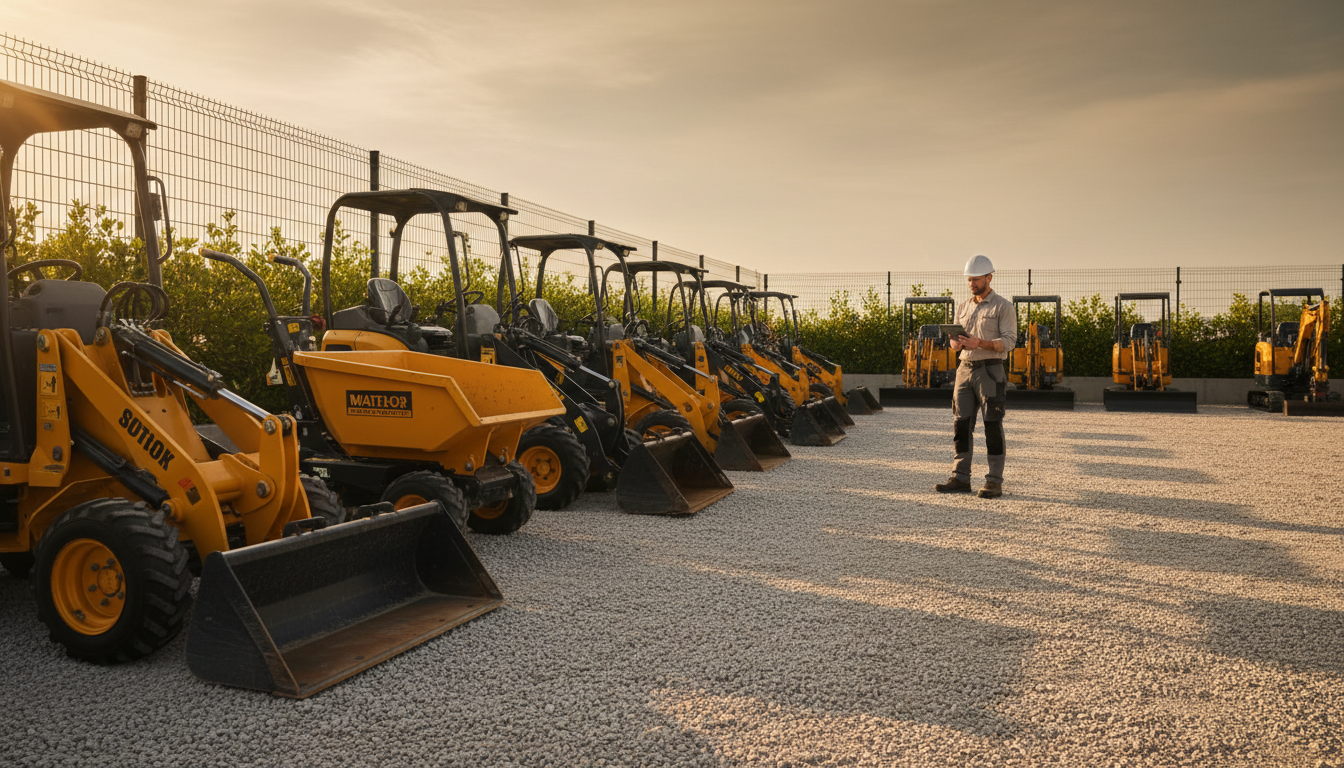
Finding the right trailer rental Utah depends entirely on the terrain you are covering and the specific payload you are hauling. While many providers in the Salt Lake Valley focus on light city moves and residential furniture transport, Juab Rentals tailors its inventory to the rugged demands of contractors and recreationists in Juab and Utah County. Our equipment rental services are designed to handle the heavy lifting required for professional job sites and the backcountry access needed for local outdoor enthusiasts.
Selecting the correct trailer type ensures both the safety of your vehicle and the efficiency of your project. The following table outlines our primary offerings and their specific applications in the Spanish Fork area:
Trailer Type | Ideal Use Case | Local Application |
|---|---|---|
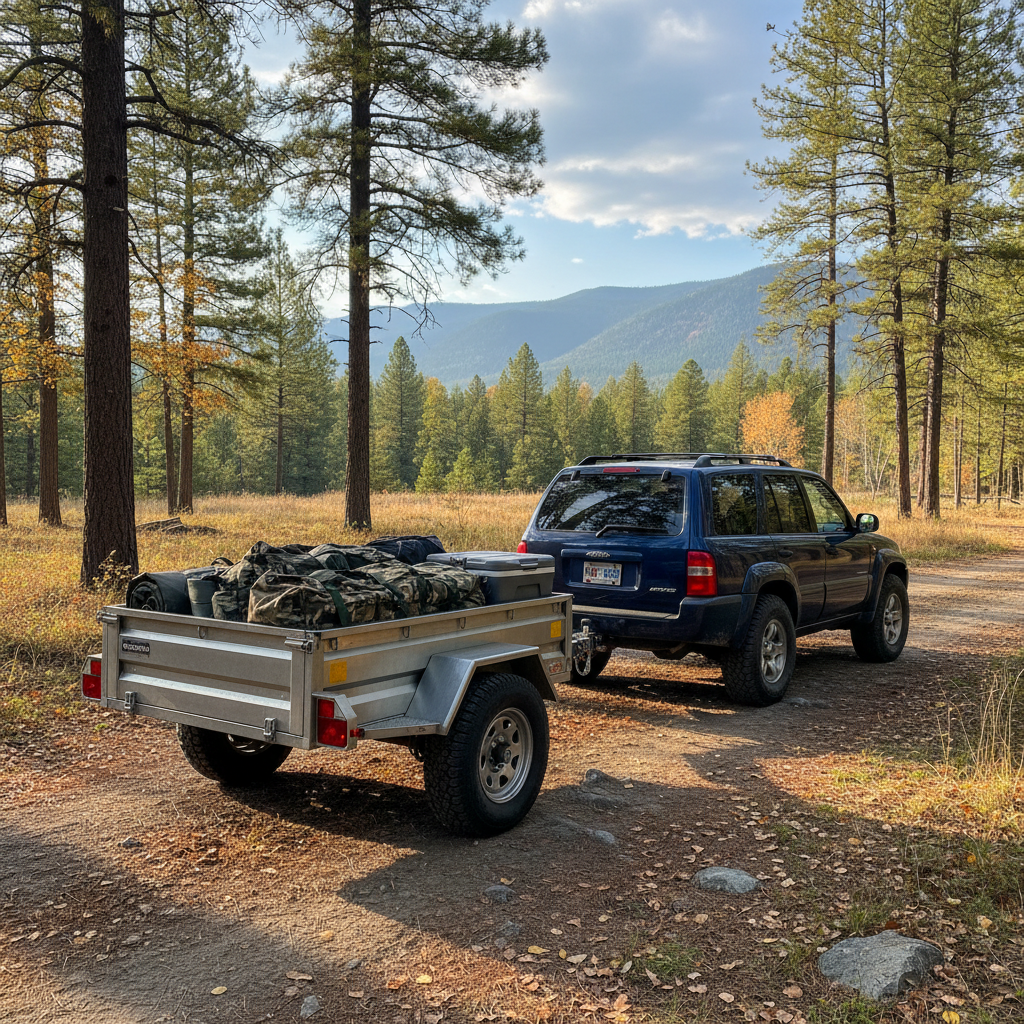
Utility | Small landscaping projects or single UTV transport. | Hauling a Polaris RZR to a nearby trailhead. |
Dump | Moving bulk materials like gravel, dirt, or roofing debris. | Essential for clearing landscaping waste in Spanish Fork. |
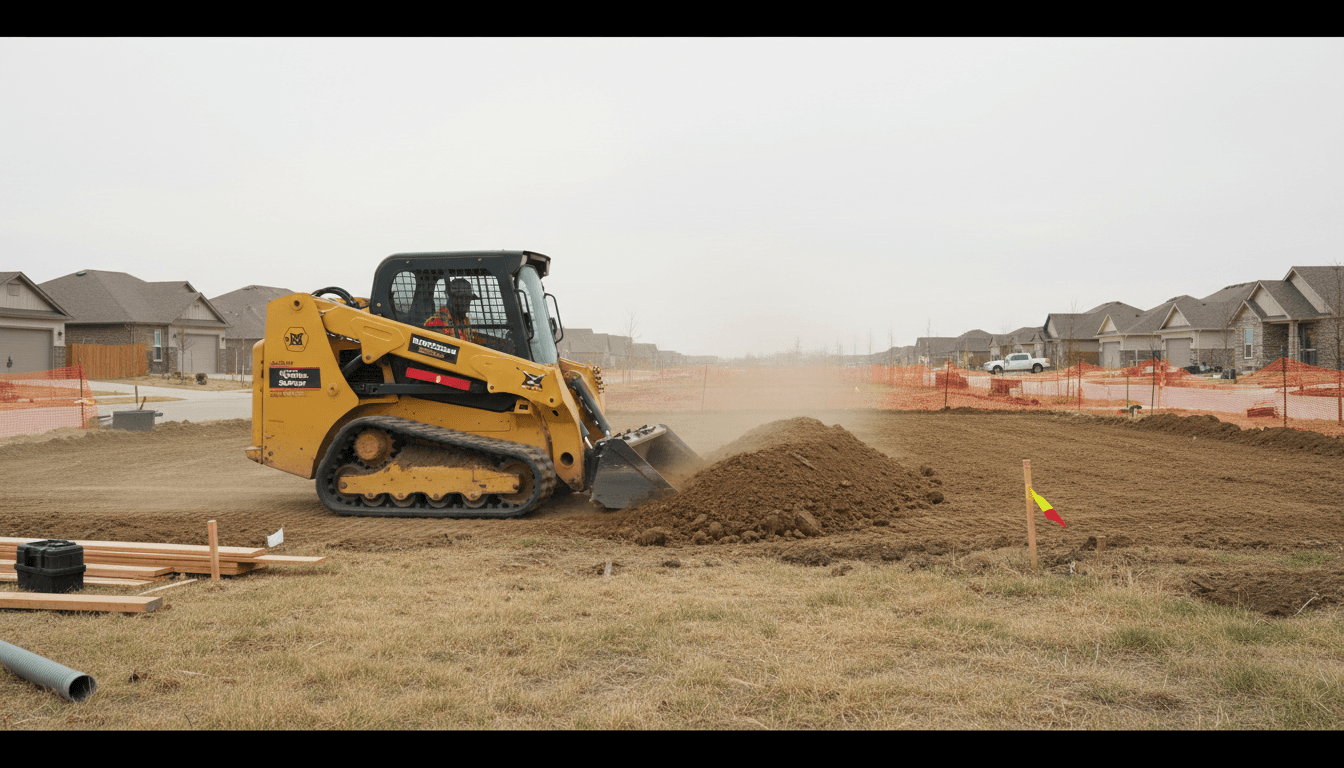
Flatbed | Transporting heavy machinery or wide loads. | Hauling a mini-excavator or skid steer to a job site. |
Enclosed | Weather-sensitive cargo or high-value gear. | Protecting ATVs and camping gear from dust and rain. |
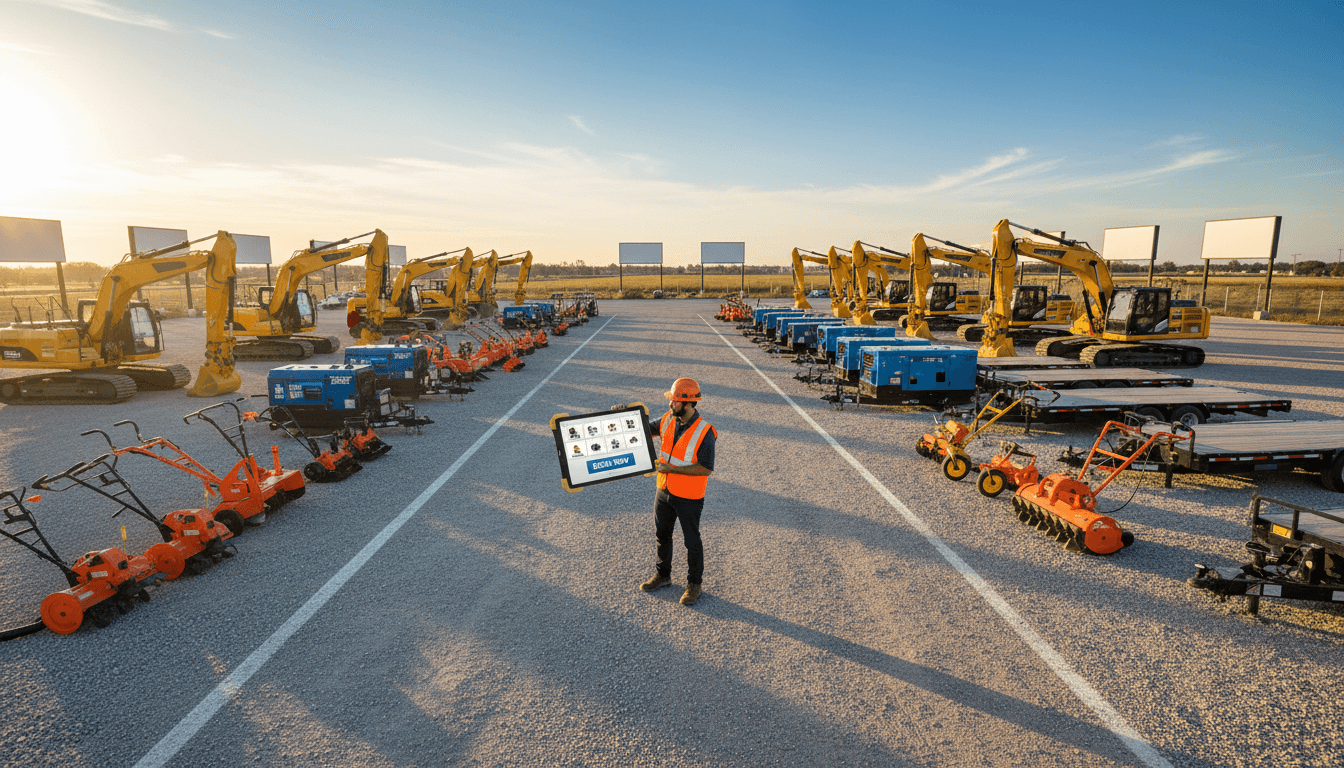
For local contractors, a 14k dump trailer is often the most practical choice for site prep, as it eliminates the need for manual unloading of heavy debris. Conversely, if you are moving equipment like the excavators featured in our fleet, a heavy-duty flatbed or an 8.5x22 car hauler provides the necessary width and structural integrity that a standard utility trailer lacks. Understanding these distinctions is the first step in planning a successful haul. Once you have identified the style of trailer that matches your task, the next priority is ensuring your tow vehicle can safely manage the specific weight of that load.
How to Choose the Right Trailer for Your Load
To determine how much weight you can safely move, you must first distinguish between Gross Vehicle Weight Rating (GVWR) and payload capacity. GVWR represents the maximum weight a trailer is engineered to carry, including the weight of the trailer frame itself plus the cargo. Payload capacity is the specific amount of weight you can actually add to the deck. To calculate this, subtract the empty weight of the trailer from the GVWR. For example, a dump trailer with a 14,000 pound GVWR that weighs 4,000 pounds empty leaves you with a payload capacity of 10,000 pounds for debris or gravel.
Before selecting a trailer rental Utah, check your tow vehicle's owner's manual for its maximum towing capacity. Choosing a trailer that is too small for the load creates a high center of gravity and increases the risk of structural failure or dangerous sway. Conversely, choosing a trailer that is too large can exceed your vehicle's braking and transmission limits, even if the trailer is only partially loaded. You must account for the tongue weight, which is the downward pressure the trailer coupler exerts on the hitch ball; this should generally stay between 10 and 15 percent of the total loaded trailer weight.
Matching the right trailer to your specific cargo ensures a safer trip through Spanish Fork. A standard 77 inch by 12 foot utility trailer is typically sufficient for a single ATV. However, if you are hauling a larger four seat UTV or a Polaris RZR, an 18 foot car hauler or a heavy duty flatbed provides the necessary deck space and stability. For those moving heavier machinery like skid steers, the 14k dump or flatbed options are required to handle the concentrated weight. If you are unsure of your vehicle's specific ratings, contact Juab Rentals for expert guidance on matching your truck to the right equipment.
Mastering the 60, 40 Rule for Safe Loading
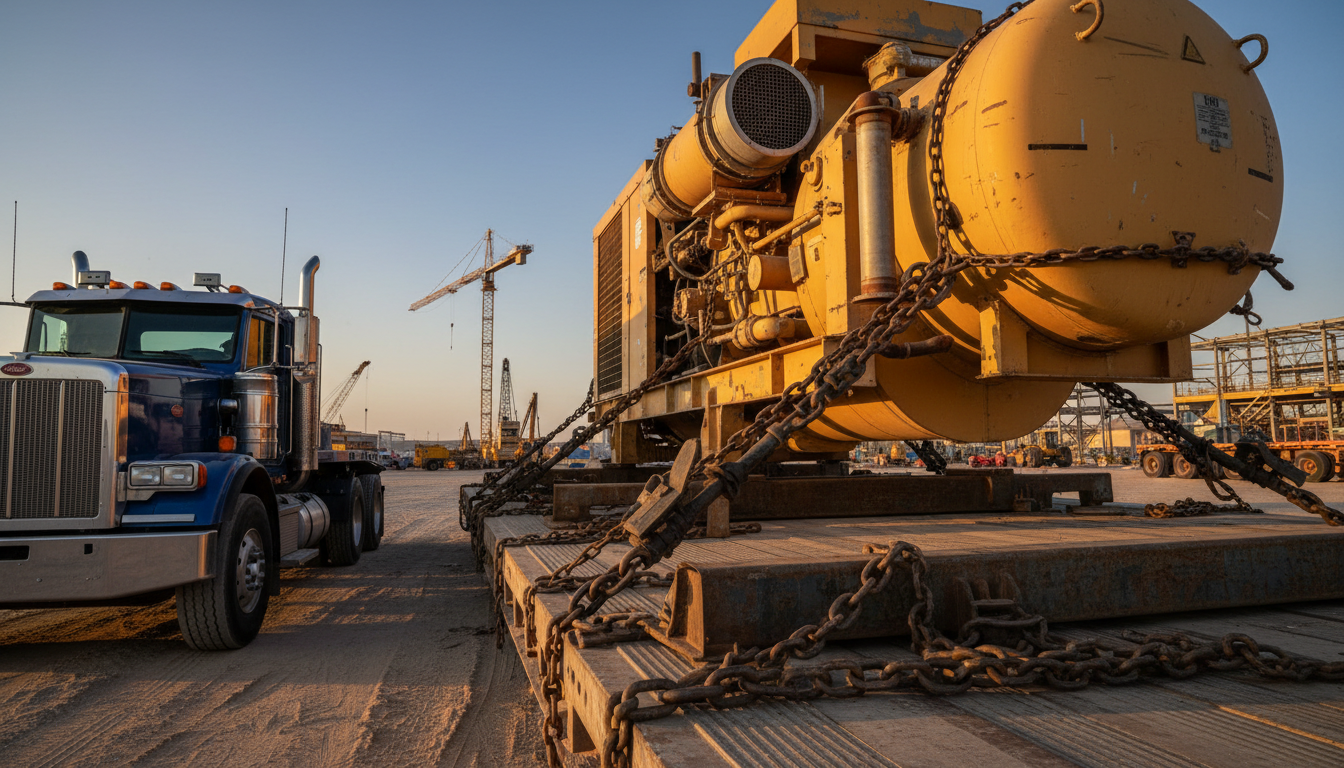
Once you have secured your trailer rental Utah, the most critical factor for highway safety is how you distribute the weight. The 60/40 rule is the industry standard for preventing dangerous instability. This rule dictates that 60 percent of your total cargo weight must be positioned in the front half of the trailer, closer to the hitch, while the remaining 40 percent sits in the rear.
Improper distribution, particularly placing too much weight in the back, creates a pendulum effect known as fishtailing. If you notice the trailer beginning to sway while driving through Juab County, do not slam on your vehicle brakes, as this often worsens the oscillation. Instead, keep your steering wheel straight, gradually let off the accelerator, and manually activate the trailer brake controller if your truck is equipped with one. Mastering this balance is a key part of what we teach when customers ask about our local expertise.
To load correctly, follow these practical steps:
Park the trailer on a level surface while it is firmly hitched to the tow vehicle.
Place the heaviest items, such as a skid steer or bulk landscaping materials, first.
Position the bulk of the weight just ahead of the front axle to maintain proper downward tongue pressure on the hitch.
Secure the load with grade-appropriate chains or straps to ensure the center of gravity does not shift during transit.
Loading heavier items toward the front ensures the trailer tracks directly behind your truck. If the front of the trailer feels light or the rear of your truck feels like it is being lifted, you likely have too much weight in the back and need to readjust before hitting the road.
Utah Trailer Towing Laws: Width, Weight, and License Requirements
Navigating the legalities of a trailer rental Utah ensures you avoid fines and stay compliant with Utah Highway Patrol standards. Knowing the state mandates for dimensions and equipment is vital for every driver. In Utah, the maximum legal width for any trailer is 8 feet 6 inches. While this accommodates most standard utility, dump, and flatbed units in our fleet, any load exceeding this width requires an oversize permit and specific marking.
Safety equipment is also strictly mandated by weight. Utah law requires independent braking systems on any trailer with a GVWR of 3,000 pounds or more. Our heavy-duty units, such as the 14k dump trailers, are equipped with electric brakes to meet these standards, providing the necessary stopping power for steep descents.
A frequent question involves the need for a Commercial Driver’s License (CDL). For most private and small-scale professional hauling, a standard Utah license is sufficient. You only trigger the CDL requirement if your combined GVWR, the truck’s rating plus the trailer’s rating, exceeds 26,001 pounds. If you are hauling heavy machinery, it is important to calculate the total capacity of both your truck and the equipment from our equipment rental services to remain within legal limits.
Regarding paperwork, Utah law requires registration for all trailers with a GVWR over 750 pounds. We handle all licensing and registration requirements for our fleet, so you can focus on the job at hand. If you have specific questions about your setup, you can contact Juab Rentals to verify your configuration meets state law.
Navigating Utah Terrain: Towing Through Canyons and High Winds
Operating a trailer rental Utah through Spanish Fork Canyon or along the I-15 corridor in Juab County presents environmental challenges that national rental chains often overlook. When you are descending steep grades like those found on Highway 6, relying solely on your vehicle brakes can lead to overheating and dangerous brake fade. Instead, utilize engine braking by downshifting to a lower gear. This allows the engine compression to control your speed, keeping your service brakes cool and responsive for when you truly need them.
The open valleys near Nephi and Santaquin are notorious for sudden, powerful crosswinds. If you are towing an enclosed trailer or a high-profile load of UTVs from our equipment rental services, these gusts can quickly cause sway. Maintain a firm, two-handed grip on the steering wheel and reduce your speed by 5 to 10 miles per hour during high-wind advisories to increase your reaction time.
Before heading into the higher elevations of the Manti-La Sal National Forest, verify your tire pressure while the rubber is still cool. Elevation and temperature changes affect tire inflation; under-inflated tires generate excessive heat, which is the leading cause of blowouts on rugged Utah roads. Our team shares these insights because we navigate these same canyons daily. You can learn more about our local expertise or contact Juab Rentals for specific advice on the best routes for your particular tow vehicle and load.
The Pre Haul Safety Checklist
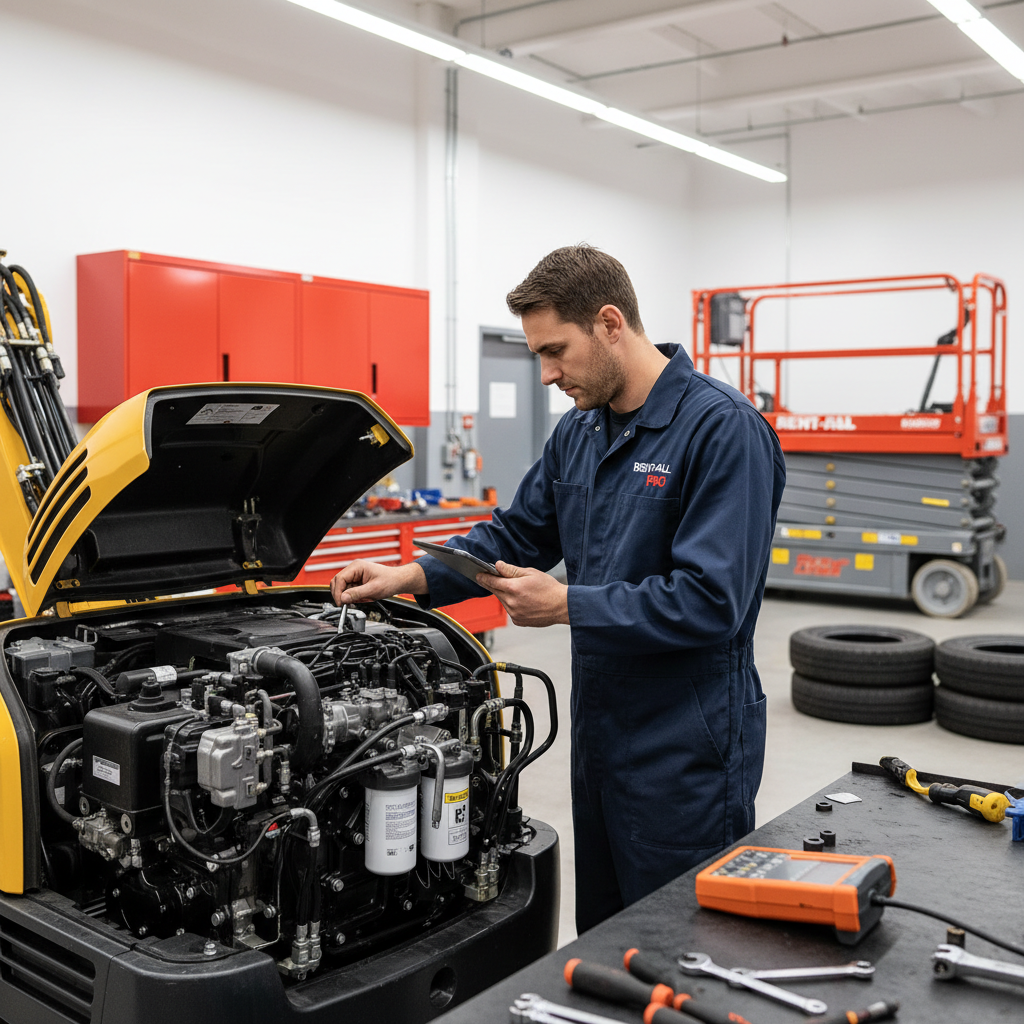
After preparing for the unique environmental factors of Juab County, the final step before pulling onto the road is a comprehensive inspection of your connection. While our team performs a rigorous maintenance check before every trailer rental Utah leaves our yard, the driver retains the legal and safety responsibility for the final walk around once the trailer is hitched to their specific vehicle. This ensures that the integration between your truck and our equipment is seamless and secure.
Follow this actionable checklist for every departure:
Verify Hitch Ball Size: Match the ball diameter exactly to the trailer coupler. Most utility units use a 2 inch ball, whereas the heavy duty units in our equipment rental services usually require a 2 5/16 inch ball.
Cross Safety Chains: Hook the chains in an X pattern under the tongue. This configuration creates a cradle to catch the coupler and prevent it from hitting the pavement if it ever separates from the ball.
Test Electrical Systems: Confirm that the brake lights, turn signals, and side marker lights are all functional and synchronized with your vehicle.
Inspect Hardware: Check that all lug nuts are secure and verify the coupler latch is pinned in the locked position to prevent accidental release during transit.
If you have any questions about your specific hitch configuration, you can contact Juab Rentals for assistance before you head out.
Trailer Rental Utah County: Pricing and What to Expect
Securing a reliable trailer rental Utah shouldn't be a guessing game involving hidden fees or fluctuating costs. For many residents in Spanish Fork and Nephi, renting is a more strategic financial choice than ownership. When you factor in the costs of specialized registration, annual maintenance, and the physical space required for storage, the value of renting for seasonal landscaping or a one time move becomes clear. Juab Rentals offers flexible pricing structures, including daily, weekly, and project based rates to accommodate various timelines.
Trailer Type | Daily Rate (Starting At) |
|---|---|
7x14 Utility Trailer | $40 |
14k Dump Trailer | $80 |
8.5x22 Car Hauler | $80 |
24ft Enclosed Trailer | $95 |
For homeowners tackling a weekend cleanup, a $40 utility trailer provides the necessary utility without a long term investment. Contractors requiring heavy duty capacity can access a 14k dump trailer at a fraction of the purchase price, keeping project overhead low. If you have specific questions about long term project rates, contact Juab Rentals to discuss our full range of equipment rental services and discover more about our local expertise in providing tools that fit your budget.
Picking the right trailer and prioritizing safety will ensure your Utah adventure goes smoothly. Whether you are hauling equipment for work or gear for a weekend getaway, the right preparation makes all the difference. If you find the process of selecting a model or checking weight limits a bit overwhelming, we are here to support you. You can learn more about our team and values to see how we prioritize your safety and convenience. We aim to provide the local expertise you need to hit the road with complete confidence.