Choose a plate compactor for granular soils like gravel, a jumping jack for cohesive clay in narrow trenches, or a roller for large-scale asphalt and soil projects. Obtaining a compaction equipment rental Utah contractors trust ensures access to the specific machinery needed for stable foundations while managing costs through flexible daily and weekly rates.
Nothing stalls a Utah construction project faster than a failed inspection or a foundation that starts to settle after the concrete is poured. Whether you are prepping a driveway in Nephi or digging utility trenches in Provo, achieving the correct soil density is the single most important step for long term stability. Choosing the wrong piece of equipment for your specific soil type can result in soft spots, structural cracks, and costly rework. This guide breaks down the essential differences between plate compactors, jumping jacks, and rollers to ensure you select the right tool for your site conditions. We will cover the specific applications for each machine, explain how to calculate compaction depth, and provide practical safety tips to keep your crew productive. By the end of this article, you will know exactly which rental will deliver the solid foundation your project requires.
Why Proper Compaction is Critical for Utah Construction Projects
Every successful build in Utah starts with what lies beneath the surface. For contractors in Spanish Fork and homeowners throughout Juab County, soil compaction is the most critical step in preventing future structural failure. Without high density soil, driveways sink, paver patios shift, and foundations eventually crack. In our region, the environmental stakes are particularly high due to the intense freeze-thaw cycles. When soil contains air pockets because it was not properly packed down, winter temperatures cause moisture to seep in and expand. This creates frost heaves that can destroy a new project in a single season.
Manual tamping with a hand tool might seem sufficient for a small garden path, but it rarely provides the uniform pressure required for structural loads. Choosing a professional compaction equipment rental Utah residents trust ensures that your sub-base reaches the necessary load-bearing capacity. By removing air voids and locking soil particles together, you create a stable platform that resists water penetration and seasonal shifting. Relying on heavy duty machinery instead of manual labor is the only way to achieve the precise force required to survive the local climate. If you are unsure about your specific site requirements, contact our rental experts to discuss the soil conditions at your jobsite.
Jumping Jack vs Plate Compactor: Which One Do You Need?
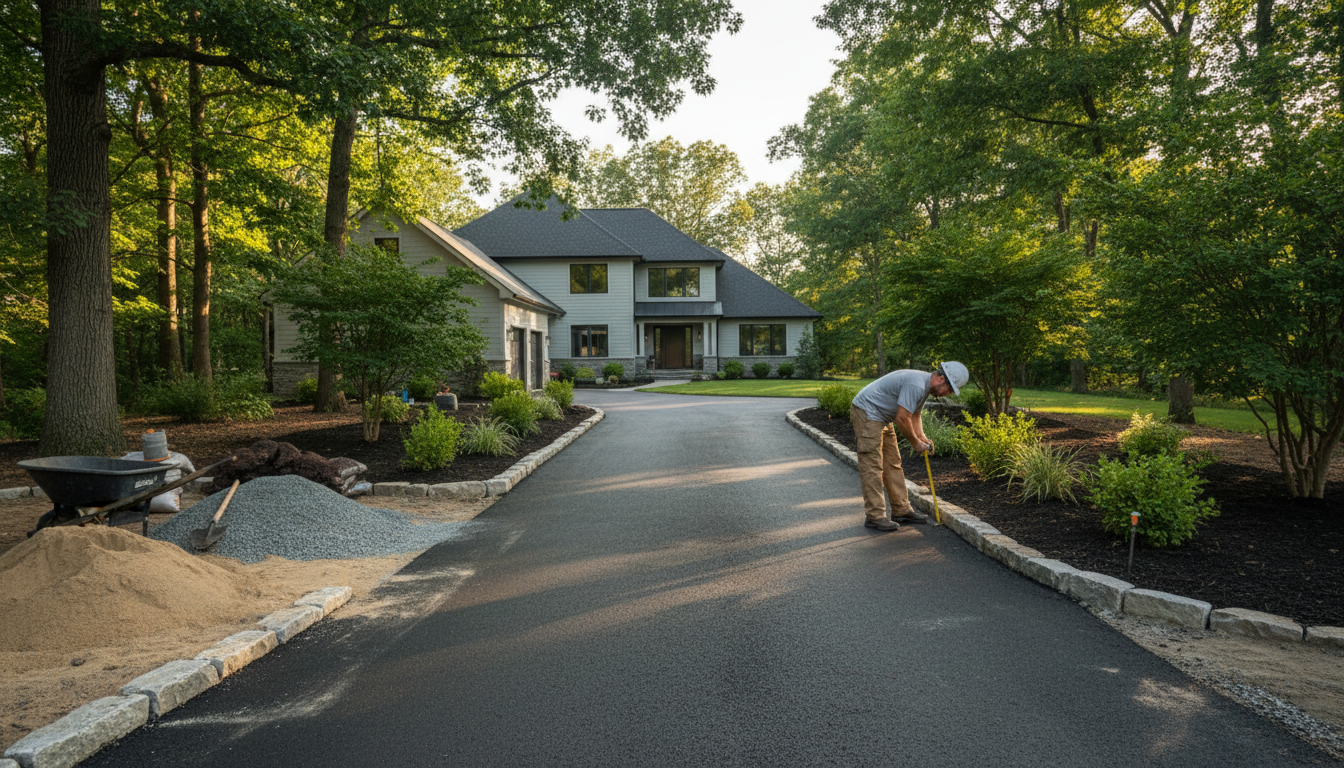
Selecting the right tool starts with identifying the soil composition at your jobsite. Utah geography presents two distinct challenges for contractors and homeowners. In the mountain valleys surrounding Juab County, you often encounter heavy, cohesive clay. This soil sticks together and requires the high impact punching force of a jumping jack, also known as a tamping rammer, to squeeze out air and moisture. Conversely, residential projects in Spanish Fork often involve granular materials like road base, pea gravel, or sand for paver patios. These materials respond best to the high frequency vibration of a plate compactor.
A jumping jack focuses all its energy into a small shoe, which allows it to compact deeper layers of clay that a flat plate would simply glide over. For those working on utility lines or narrow footings, the slim profile is a necessity. If you are preparing a sub-base for professional landscaping equipment to install pavers, the plate compactor is the superior choice because it settles the stones into a locked, flat surface without creating the deep indentations a rammer would leave behind.
Feature | Jumping Jack (Rammer) | Plate Compactor |
|---|---|---|
Primary Force | High-impact thumping | High-frequency vibration |
Ideal Soil Type | Cohesive (Clay, Silt) | Granular (Gravel, Sand) |
Best Application | Trenches, footings, clay | Patios, driveways, asphalt |
Footprint | Small and concentrated | Wide and flat |
Choosing the wrong machine can lead to project delays or mechanical issues. A plate compactor used on heavy clay will often hop erratically or get stuck, while a jumping jack used on dry sand may simply churn the material without achieving density. When you arrange a compaction equipment rental Utah soil conditions should be your first point of discussion. If you are digging a deep utility trench near Nephi, you need the rammer. If you are leveling a backyard for a new shed in Spanish Fork, the vibratory plate is your best bet.
Plate Compactor Rental: Best for Patios and Walkways
Vibratory plate compactors are the industry standard for finishing flat surfaces where granular materials are used. These machines operate by spinning an internal eccentric weight at high speeds, which generates rapid vibrations through a heavy steel base plate. This process reduces the friction between individual particles of sand, gravel, or road base; it allows them to settle under their own weight and the machine's pressure into a dense, interlocking layer. If you are researching what type of compactor is most effective for compacting gravel, the vibratory plate is the definitive tool for the job.
Securing a reliable compaction equipment rental Utah contractors trust means getting a machine maintained for peak centrifugal force. We typically provide 14 inch and 20 inch models to suit different project scales. A 14 inch plate is highly maneuverable for narrow walkways or tight garden borders, while the 20 inch model provides the surface area and weight required for larger paver patios or small asphalt patch repairs. Contractors and DIY homeowners alike favor these units for their ability to leave a smooth, professional grade finish that is ready for pavers or stone. You can learn more about our local Utah rental shop to see how we prep our inventory for the specific demands of Juab County jobsites, ensuring your sub-base is perfectly leveled before the first brick is laid.
Jumping Jack Compactor Rental: The Solution for Trenches and Clay
While plate compactors excel on surface area, tamping rammers, commonly called jumping jacks, are the specialized choice for vertical depth and confined spaces. If you are backfilling a narrow trench for electrical conduit or plumbing lines, a plate compactor is physically too wide to fit. The jumping jack features a smaller shoe, typically 10 to 13 inches wide, allowing it to operate effectively within the tight confines of utility excavations.
In Juab County, contractors often encounter heavy clay that resists standard vibration. This cohesive soil requires a punching force to squeeze out air and moisture trapped between particles. The jumping jack delivers high impact blows that penetrate far deeper than vibratory surface tension. Regarding the common question of how deep a jumping jack will compact, the concentrated force per square inch allows these machines to reach depths of 18 to 24 inches. This vertical reach is significantly greater than a plate compactor, ensuring that deep utility backfills remain stable and do not settle over time.
When selecting a compaction equipment rental Utah projects require, a tamping rammer is the essential choice for any job involving cohesive soils or narrow footings. If you have questions about the specific density requirements of your site, you can contact our rental experts for a machine recommendation tailored to your soil type.
Ride On and Walk Behind Rollers for Larger Jobsites
Handheld equipment reaches its limit when the project scale shifts from a backyard patio to a private road or a multi-unit residential development. For large driveways, small parking lots, or agricultural barn pads in Juab County, a walk-behind or ride-on roller is necessary to achieve professional-grade surface smoothness. While a 20 inch plate compactor is efficient for small areas, it lacks the static weight and drum width required to level hundreds of square feet without creating seams or uneven ridges in the material.
Rollers utilize either single or double drums to provide consistent downward pressure across a wider path. This is especially important for asphalt work or large gravel base prep where uniformity is non-negotiable. When planning a compaction equipment rental Utah contractors often choose these units for their high productivity and ability to handle thicker lifts. If you are managing a larger site near Nephi or Spanish Fork, contact our rental experts to determine if your square footage justifies the transition to a roller. Stepping up to a machine with a wider footprint significantly reduces man-hours and ensures the sub-base meets the density requirements for heavy vehicle traffic.
Understanding Compaction Depth: How Many Inches and How Many Passes?
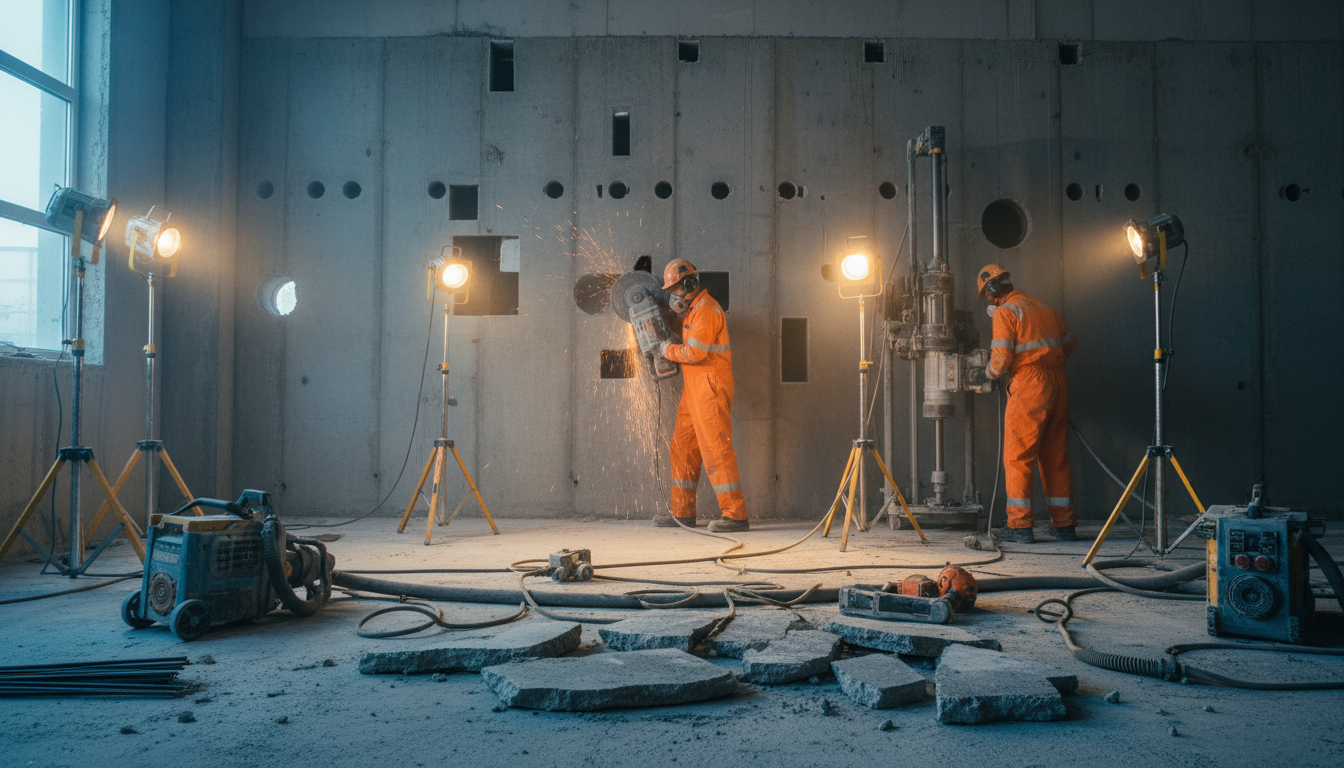
Achieving maximum density requires a systematic approach rather than just running the machine until the ground looks flat. The most effective method involves working in "lifts," which are individual layers of soil or aggregate spread at a specific thickness before being packed down. If you are wondering how many inches a plate compactor compacts, the answer depends on the machine's centrifugal force and the material type. For most residential projects in Spanish Fork, a standard plate compactor is effective for 6 inch lifts of granular road base or sand. Heavier units or tamping rammers can often handle up to 12 inches in cohesive soils, provided the impact force is sufficient to reach the bottom of the layer.
To ensure uniform stability, operate the machine in a grid pattern. Start by moving in one direction across the entire area, overlapping each pass by a few inches, then turn 90 degrees and repeat the process. This cross-hatch technique ensures that every square inch receives equal pressure and eliminates soft spots. Most professional operators find that 3 to 4 passes over a single lift is the sweet spot for maximum density. While it might be tempting to keep going, over-compacting can actually decrease soil density by fracturing the aggregate or causing the machine to lose its rhythm and bounce erratically.
Selecting the right compaction equipment rental Utah specialists provide is vital to this process. A machine that is underpowered for the lift thickness will leave air pockets at the bottom of the layer, leading to future settling once the weight of a structure or vehicle is applied. If you have questions about the specific lift thickness for your project, you can contact our rental experts for guidance based on the material you are using.
Compaction Equipment Rental Cost in Utah
Budgeting for site preparation requires understanding how equipment rates fluctuate based on machine type and duration. For most residential projects in Spanish Fork, the plate compactor rental cost per day typically ranges between $90 and $125. If you only need a machine for a quick refresh of a gravel driveway, a four-hour rate is often available for around $65. Tamping rammers, which require more intensive engine maintenance due to their high-impact nature, usually fall within the $100 to $130 daily range. For larger developments or agricultural builds, weekly rates between $350 and $480 offer the most cost-effective path for multi-phase projects.
Choosing a local provider for your compaction equipment rental Utah needs offers superior value compared to national big-box retailers. Our team operates an on-site workshop where every unit is tested for peak performance before it leaves the yard. This ensures the machine actually delivers the rated impact force, preventing the need for extra passes that waste your time. Beyond the hardware, about our local Utah rental shop means you get advice grounded in Juab County geography. A national chain cannot provide specific guidance on how local clay reacts to moisture compared to granular road base. To get an accurate estimate for your specific project, contact our rental experts for current rates and availability.
Safety and Operation Tips for Utah Contractors
Operating heavy machinery requires strict adherence to safety protocols to prevent jobsite injuries. On any Utah project, steel-toe boots are non-negotiable to protect your feet from the heavy impact of a rammer shoe or the edges of a vibrating plate. Because these machines generate high decibel levels and constant oscillation, you must use quality hearing protection and anti-vibration gloves. These gloves help mitigate hand-arm vibration syndrome, which is a common concern for operators running equipment for extended periods.
Before pulling the starter cord, always verify that the unit is on a level surface and check both the engine oil and fuel levels. For a reliable start with your compaction equipment rental Utah machinery, follow this standard sequence:
Turn the fuel valve to the 'on' position.
Move the choke lever to the 'closed' or 'start' position for a cold engine.
Set the throttle to roughly one-third open.
Pull the recoil starter with a firm, steady motion.
Once the engine catches, gradually move the choke back to the 'open' or 'run' position.
If the engine fails to turn over or runs roughly in the cooler morning temperatures of Spanish Fork, contact our rental experts for immediate technical support to ensure your site preparation remains on schedule.
Choosing the right compaction equipment depends entirely on your soil type and project scale. Whether you need a plate compactor for sand or a jumping jack for clay, the correct tool ensures a stable foundation for your build. If you want expert help determining which machine fits your specific needs, we are ready to assist. You can learn more about us to see how our experience can support your next project. We are here to ensure your job is done right.