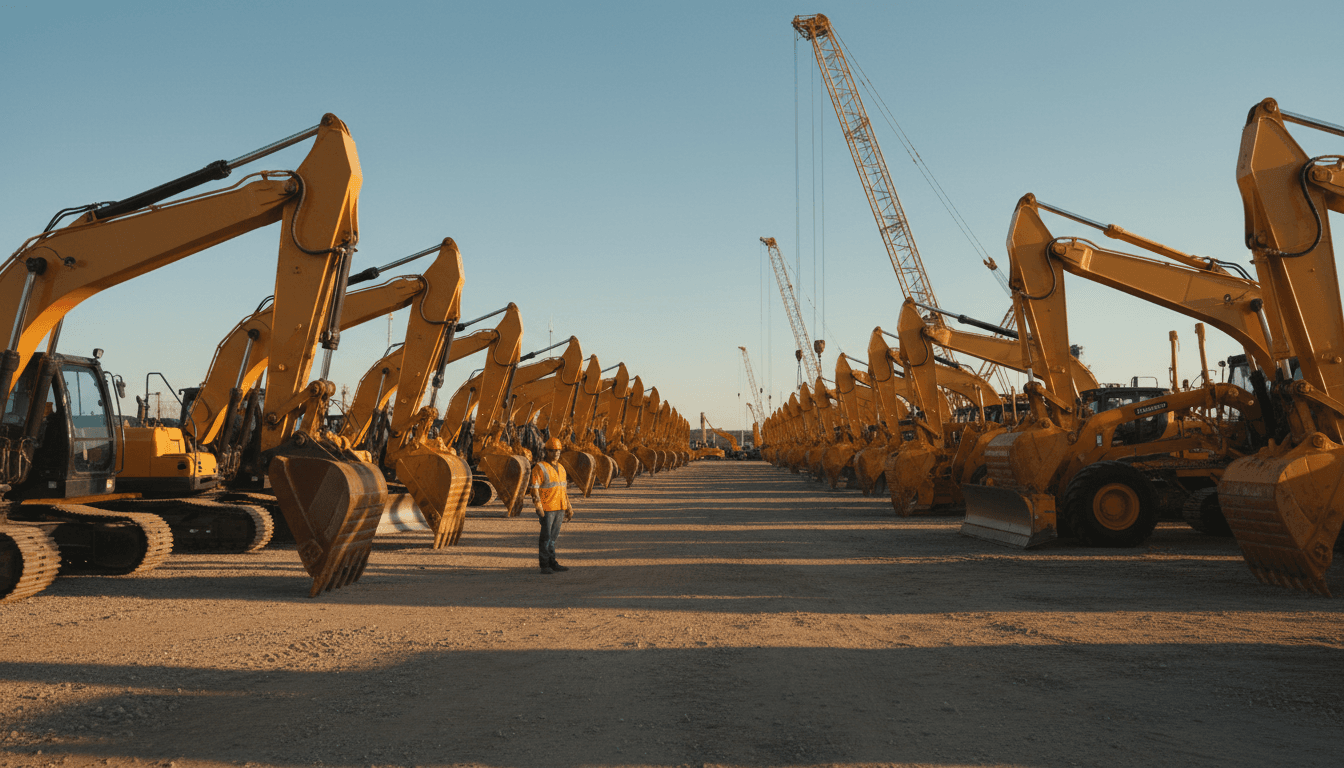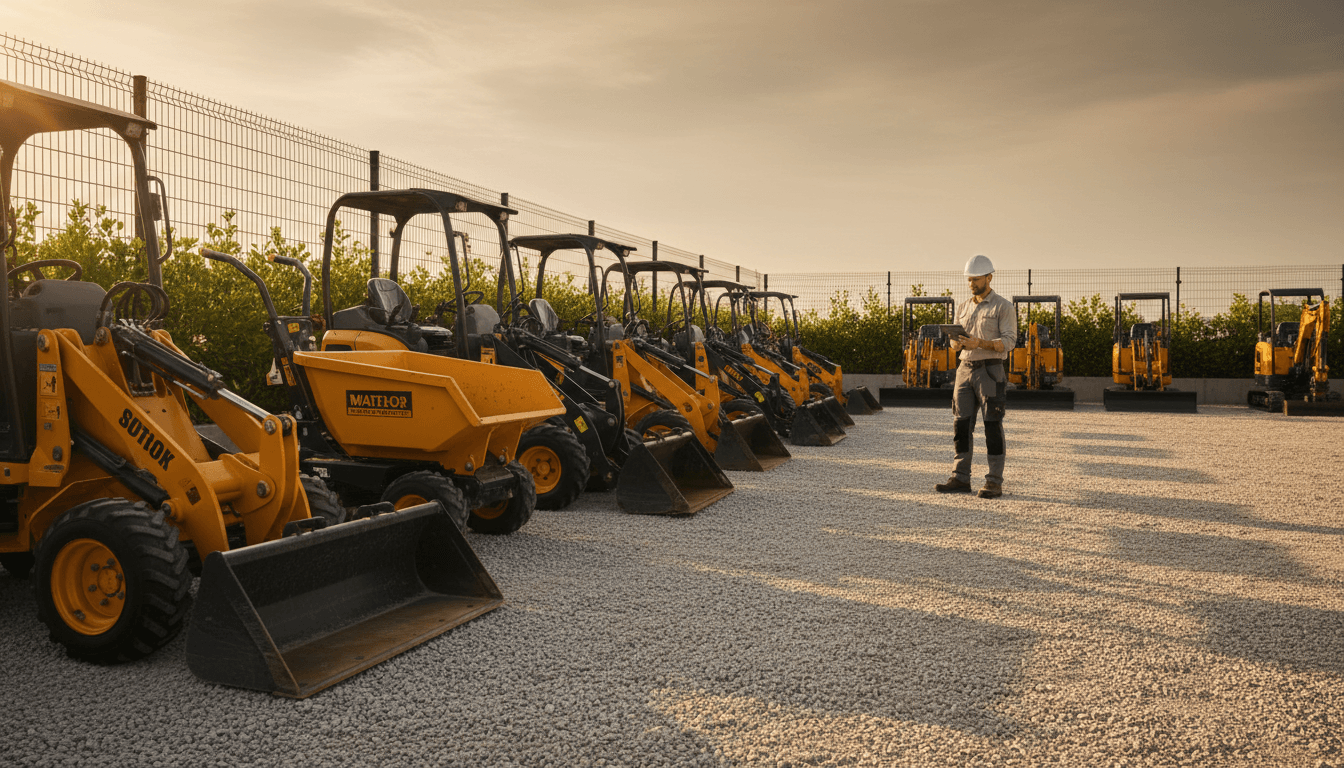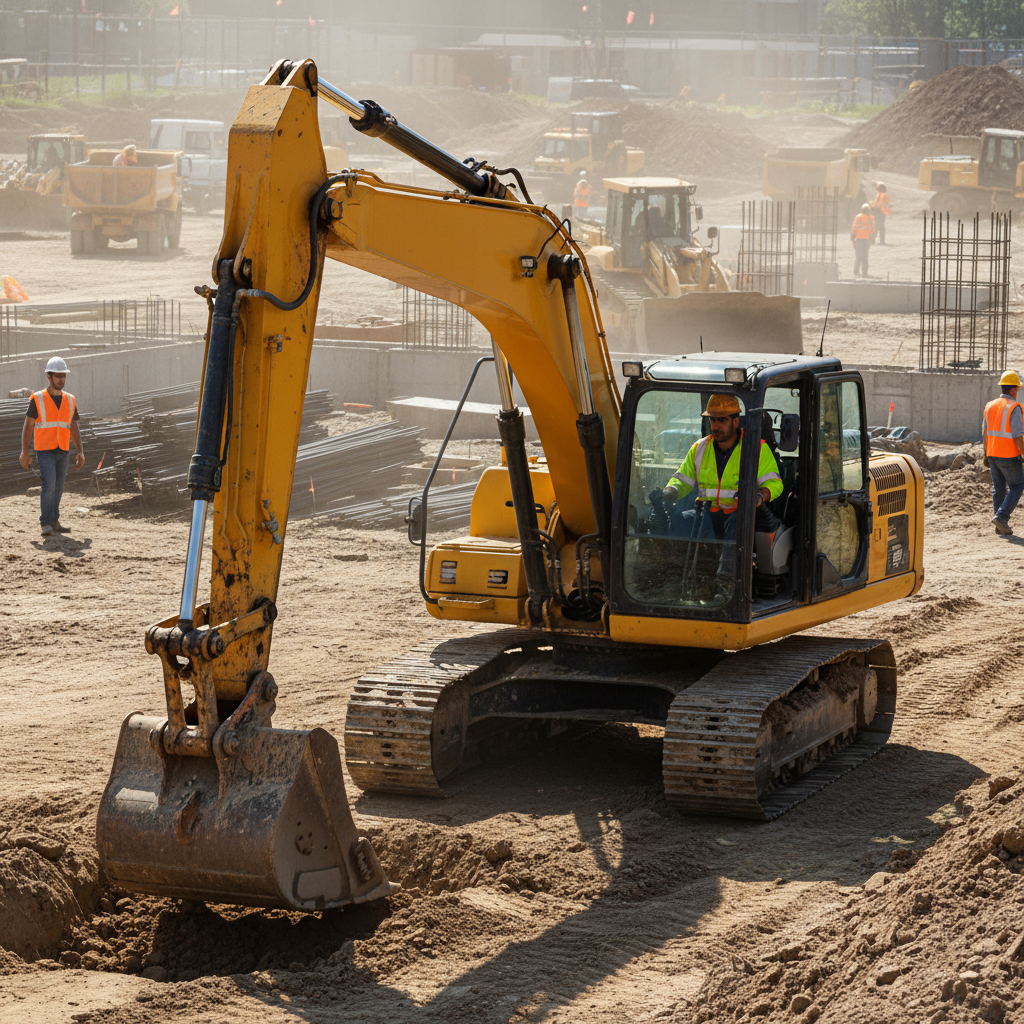
The decision of renting vs buying construction equipment depends on project frequency and budget; renting provides greater flexibility while eliminating maintenance and storage costs. Buying is often better for long-term use, but renting allows for specialized machinery tailored to specific tasks without a significant capital investment. To ensure efficiency, contractors must carefully evaluate equipment size and operator requirements before making a final choice.
Every project manager faces the same frustrating moment when a piece of heavy machinery sits idle in the yard while the loan payments continue to roll in. Choosing between the long-term equity of ownership and the immediate flexibility of a rental is one of the most critical financial decisions you will make this year. It affects your liquid capital, your tax strategy, and your ability to scale operations without taking on unnecessary debt. In this guide, we will break down the true costs of ownership; from maintenance and storage in the Utah climate to the specific scenarios where renting offers a superior return on investment. You will gain a practical framework for analyzing your fleet needs, avoiding common rental pitfalls, and ensuring that every dollar spent on equipment actually moves your project forward.
The Equipment Dilemma: Cost, Capability, and Convenience
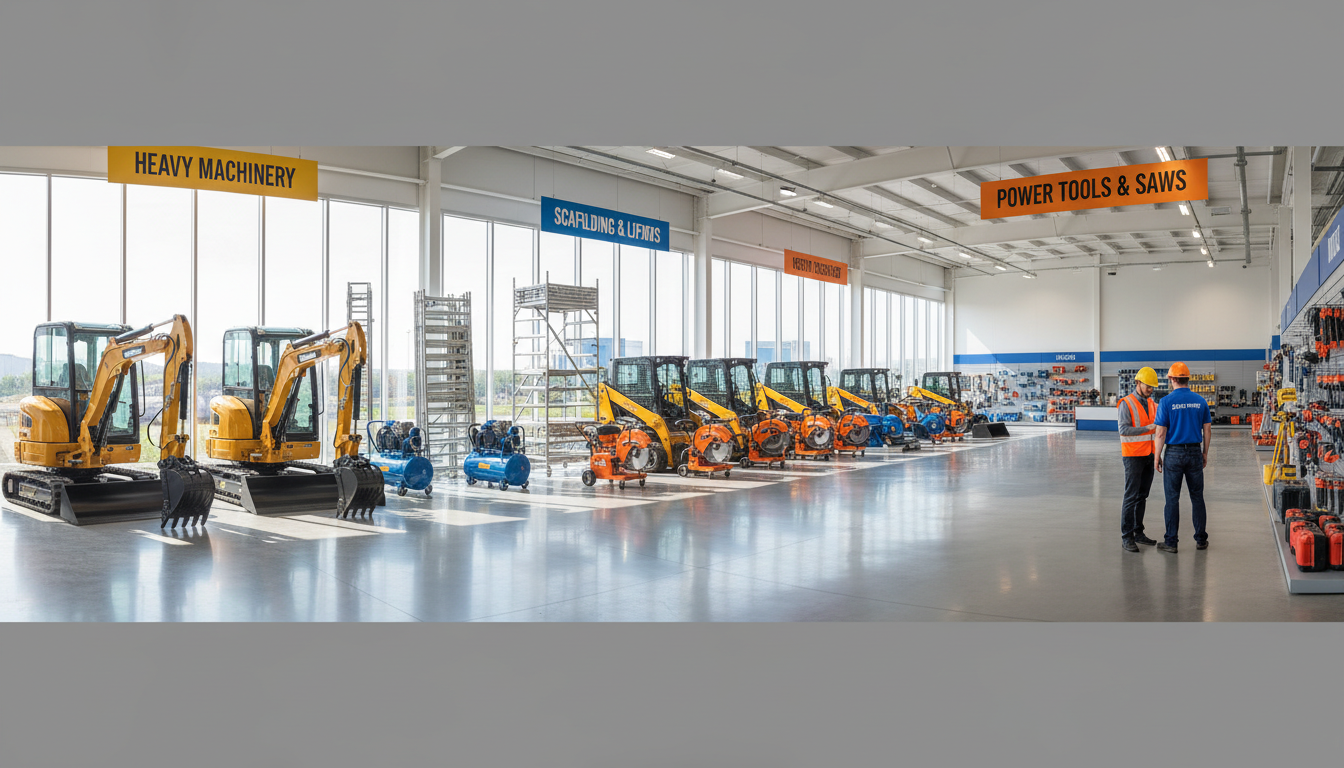
Every contractor in Spanish Fork eventually hits a bottleneck where their current fleet cannot meet the demands of a new bid. Homeowners face a similar wall during major landscaping or renovations. The core challenge in the debate of renting vs buying construction equipment is balancing the desire for long-term equity against the reality of immediate overhead. Ownership puts an asset on your balance sheet, but it also tethers you to maintenance, insurance, and storage costs that persist even when the machine is idle.
As a local authority on heavy equipment and tool rentals, Juab Rentals understands the specific environmental pressures of Juab County. Our region’s geography often dictates the tools you need. A machine optimized for the damp, heavy soil of early spring might be entirely impractical during the dry, hardened conditions of a Utah summer. By choosing to rent, you gain access to the exact capability required for the current season without the burden of storing a specialized machine for the other nine months of the year. You can learn more about our local company and how we support Spanish Fork projects by providing professional-grade machinery that matches the specific task at hand, ensuring you have the power you need without the permanent financial weight of a purchase.
Financial Analysis: Cash Flow and Tax Benefits for Small Contractors
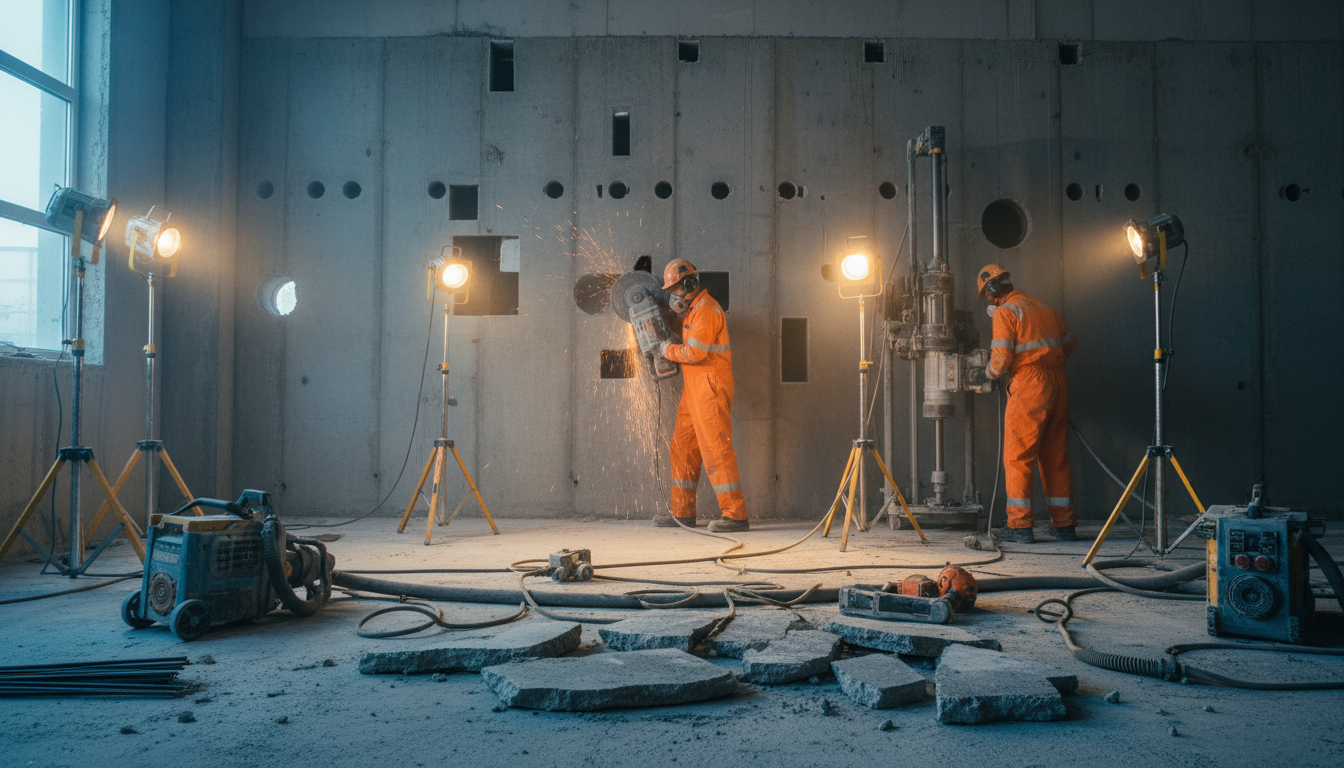
The decision between renting and buying often comes down to how a business manages its bottom line. A frequent question we hear from local contractors is whether equipment rental is a tax write-off. In most cases, the answer is yes. From an accounting perspective, renting is classified as an Operating Expense (OPEX). This means the rental cost is typically fully deductible in the same tax year the expense occurs. This provides an immediate reduction in taxable income, which is a significant advantage for a growing business in Spanish Fork.
Purchasing equipment is treated as a Capital Expenditure (CAPEX). While a purchased machine is an asset, it must be depreciated over its useful life, often five to seven years. Even with Section 179 deductions, which allow for accelerated depreciation, the long term financial commitment is fixed. If you buy a $50,000 excavator, that capital is locked into that specific machine. If a project in Juab County requires a different weight class of machine three months later, you are stuck with the asset you have rather than the one you need.
Renting preserves essential cash flow, and for small contractors in Utah, liquidity is often more valuable than equity. By utilizing heavy equipment and tool rentals, you avoid the massive upfront debt or down payments associated with traditional financing. This financial flexibility allows a business to take on larger, more complex projects that might require specialized machinery without overextending its credit lines. Instead of paying interest on a loan for a machine sitting in a yard, you pay for the machine only when it is generating revenue on a job site. If you have questions about how a specific rental might impact your project budget, you can contact Juab Rentals to discuss current rates and availability.
When Renting Beats Buying: Project Specific Scenarios
In many operational contexts, the decision regarding renting vs buying construction equipment is dictated by the specific technical requirements of the job site. Specialized attachments provide a prime example. While a contractor might own a reliable skid steer, a project in Spanish Fork might require a hydraulic breaker or a specialized trenching attachment for a single week. Purchasing these additions for a one-off task creates an immediate storage problem and a slow return on investment. By utilizing heavy equipment and tool rentals, you can equip your existing machinery with the exact tools needed for niche applications without expanding your long-term inventory.
Renting also serves as a critical safety valve during peak seasons. When every machine in your fleet is currently deployed at various sites across Juab County, renting an additional unit allows you to maintain momentum on new contracts without turning away lucrative work. This surge capacity ensures that your primary capital remains liquid while your operational capacity scales to meet the market demand. It allows you to bid on specialized infrastructure projects that require higher horsepower or unique lift heights than your standard fleet provides.
For Spanish Fork homeowners, the advantages are even more immediate. Tackling a weekend grading project or installing a new fence line with consumer-grade tools often leads to subpar results and physical exhaustion. Accessing professional-grade machinery ensures the work is done to a commercial standard. You get the benefit of high-performance hydraulics and precision controls for a single weekend; then, you return the unit to us. This prevents a permanent dent in your garage space and avoids the long-term maintenance costs that come with machines that would otherwise sit idle for most of the year. To learn more about our local company and how we can assist with your specific project specs, you can contact Juab Rentals for current availability.
The Hidden Costs of Ownership: Maintenance and Storage in Utah
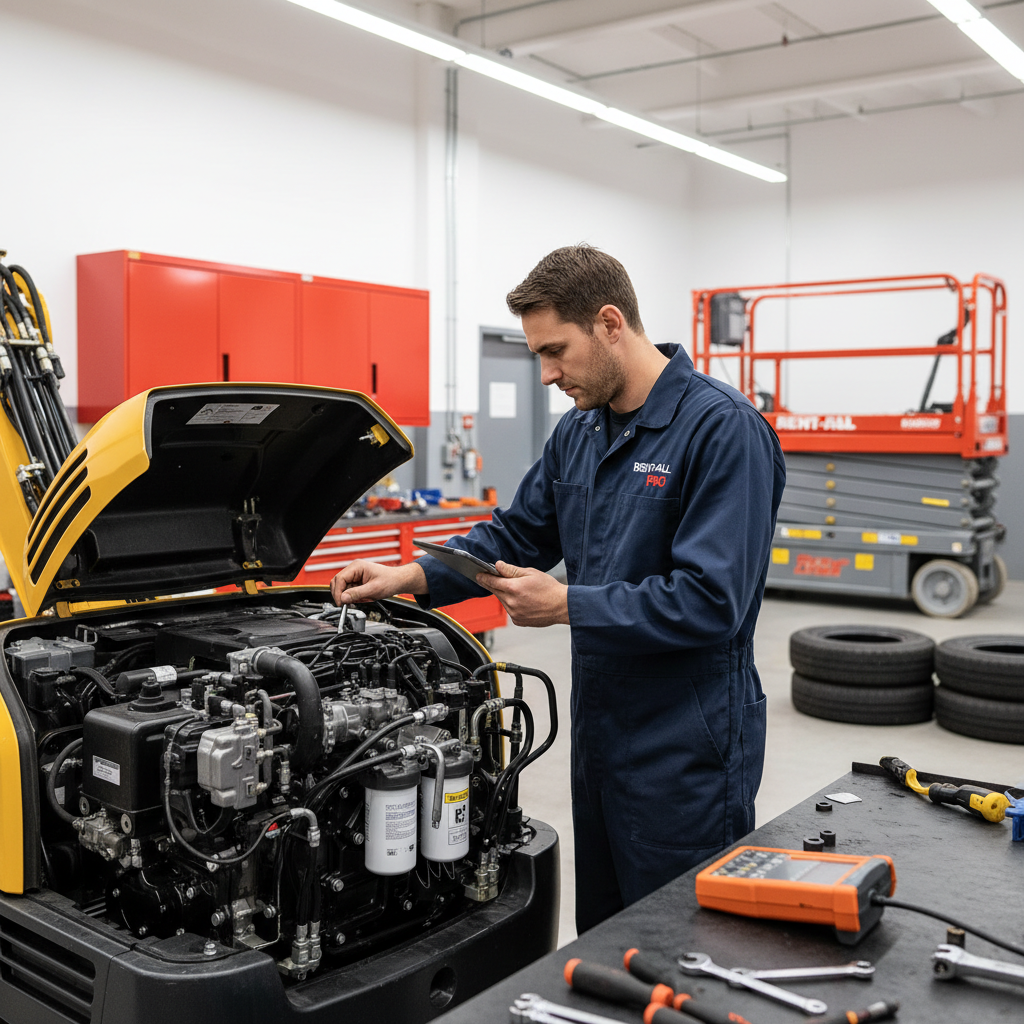
The sticker price of a machine is rarely the final word on the true cost of ownership. Beyond the initial investment, a significant portion of the renting vs buying construction equipment debate hinges on long term logistics. In Utah, the environment plays a decisive role. Harsh winters in Juab County require more than just a tarp for protection. Hydraulic systems are particularly vulnerable to extreme cold; seals can become brittle and fluid viscosity changes can lead to pump failure if equipment is not stored in a climate controlled environment. For a small contractor or homeowner, the cost of heating a large shop or paying for secure storage can quickly eclipse any equity built in the machine.
Regular maintenance schedules represent another layer of hidden overhead. Owning a fleet requires tracking engine hours, performing oil and filter changes, and ensuring every unit passes rigorous safety inspections to remain compliant with industry standards. When a machine breaks down on a job site, the owner bears the full weight of the downtime. You are responsible for the parts, the mechanic’s labor, and the lost productivity while the project sits idle.
Choosing heavy equipment and tool rentals through a local partner shifts this entire burden. At Juab Rentals, our technicians handle every grease point, hydraulic flush, and safety check before the equipment reaches your site. If a machine encounters an issue, the responsibility for the repair rests with us, not your project budget. You can learn more about our local company and our commitment to fleet reliability, or contact Juab Rentals to ensure your next project stays on schedule without the secondary costs of equipment upkeep.
Common Construction Equipment Rental Mistakes to Avoid
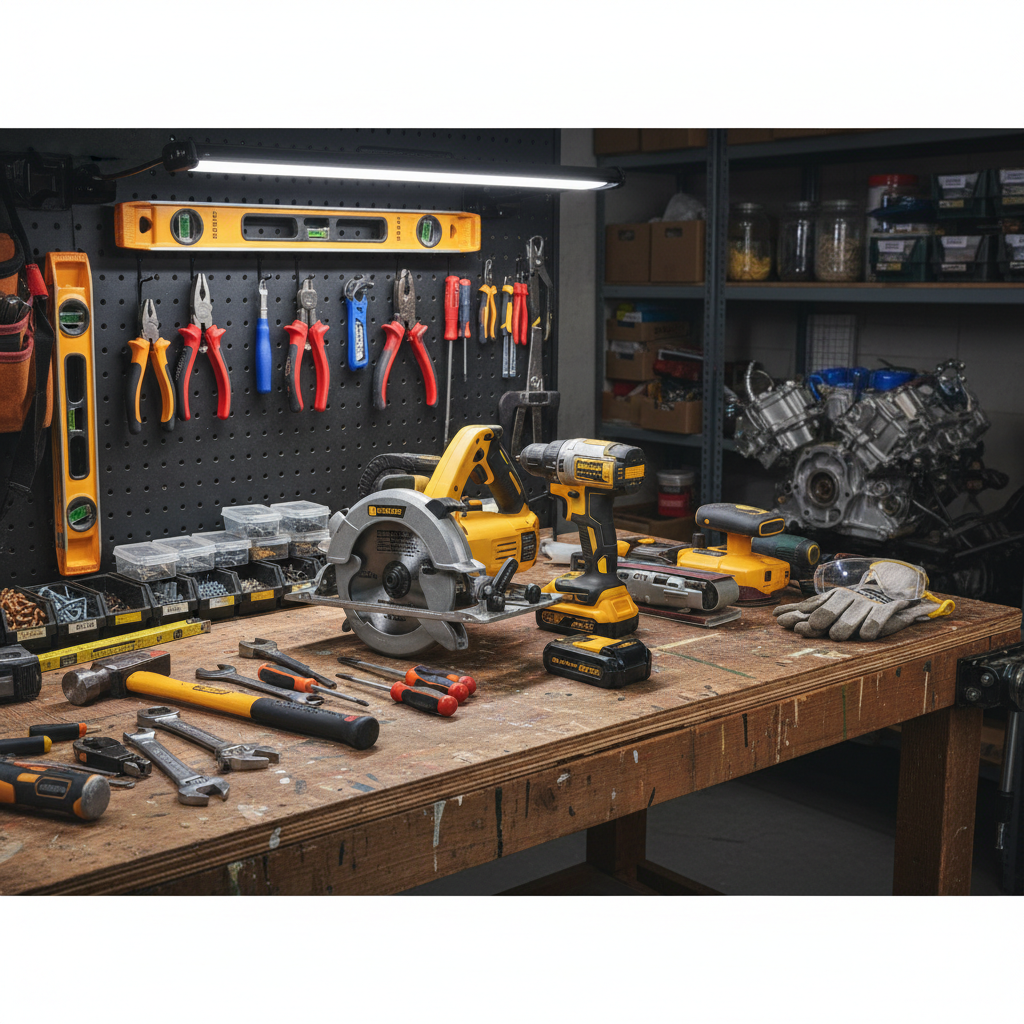
Avoiding ownership costs is only half the battle; maximizing the value of a rental requires avoiding common operational pitfalls. Improper sizing is a frequent error that can stall a project. A homeowner might rent a mini-excavator for a backyard project in Spanish Fork, only to realize the bucket capacity cannot handle the local clay or the reach is insufficient for the grade. This mismatch leads to extended rental periods and wasted fuel, as the smaller machine has to work twice as hard to move the same volume of earth.
Poor project timing also creates expensive "idle rental days." If the machine arrives before the site is cleared or utility lines are marked, you are essentially paying for equipment to sit in the dirt. Synchronizing the delivery of heavy equipment and tool rentals with your actual labor schedule is vital for maintaining a lean budget. Furthermore, skipping the initial inspection is a risk you cannot afford. Always verify fluid levels, control responsiveness, and document existing cosmetic damage upon delivery. This protects you from liability and ensures the machine is ready for immediate operation.
To mitigate these risks, provide your specific project specs to the rental staff. Our team understands the unique terrain of Juab County and can help you navigate the renting vs buying construction equipment decision by ensuring the machine you select is actually capable of the work planned. Contact Juab Rentals before booking to confirm that your chosen machinery matches your lift requirements and site constraints.
The Decision Framework: A Quick Checklist
Navigating the renting vs buying construction equipment debate requires a cold, hard look at your operational data. To perform an effective rent vs buy equipment analysis, use this checklist to evaluate your next project in Spanish Fork:
Frequency of Use (The 60% Rule): If a machine is not utilized for at least 60 to 70 percent of your billable days, the costs of depreciation and maintenance usually outweigh ownership benefits.
Availability of Capital: Determine if your cash is better spent on payroll or purchasing materials rather than being tied up in a depreciating asset.
Storage Logistics: Evaluate if you have a secure, weather protected space to prevent hydraulic damage during Utah's freezing months.
Transportation Requirements: Confirm you own the necessary trailers and high torque vehicles to safely move heavy machinery across Juab County.
You can learn more about our local company to see how we maintain our fleet to meet these commercial standards. If ownership logistics become a distraction, contact Juab Rentals to review our available heavy equipment and tool rentals. Our team helps you weigh these specific factors against your project timeline.
Beyond the Job Site: Recreational Rentals and Utility
The logic used in the renting vs buying construction equipment debate extends naturally to the recreational vehicles that define Utah weekends. Ownership of a UTV or personal watercraft involves far more than the initial sticker price; it requires annual registration fees, specialized insurance, and recurring maintenance like winterization which can be technically demanding for a casual user. If you only head to the dunes or the lake a few times a year, the cost per hour of use for a purchased machine is often significantly higher than the daily rate of a high performance rental.
Storage and transport add further layers of complexity for Spanish Fork residents. A private owner must maintain a dedicated trailer, ensure the tires and lights are functional, and have a vehicle capable of safely towing the load. By utilizing heavy equipment and tool rentals for your recreational and utility needs, you bypass these logistical hurdles. Juab Rentals provides the machinery and the necessary transport solutions, allowing you to focus on the terrain rather than the upkeep. You can learn more about our local company or contact Juab Rentals to check the availability of our recreational fleet for your next excursion.
Choosing between renting and buying construction equipment ultimately depends on your project frequency, budget, and storage capacity. Both options offer distinct advantages for contractors and homeowners alike. If you want expert help navigating these choices, consulting with a knowledgeable team can provide the clarity you need to move forward. You can learn more about our mission to provide high quality equipment and personalized advice to ensure your next project is a complete success.