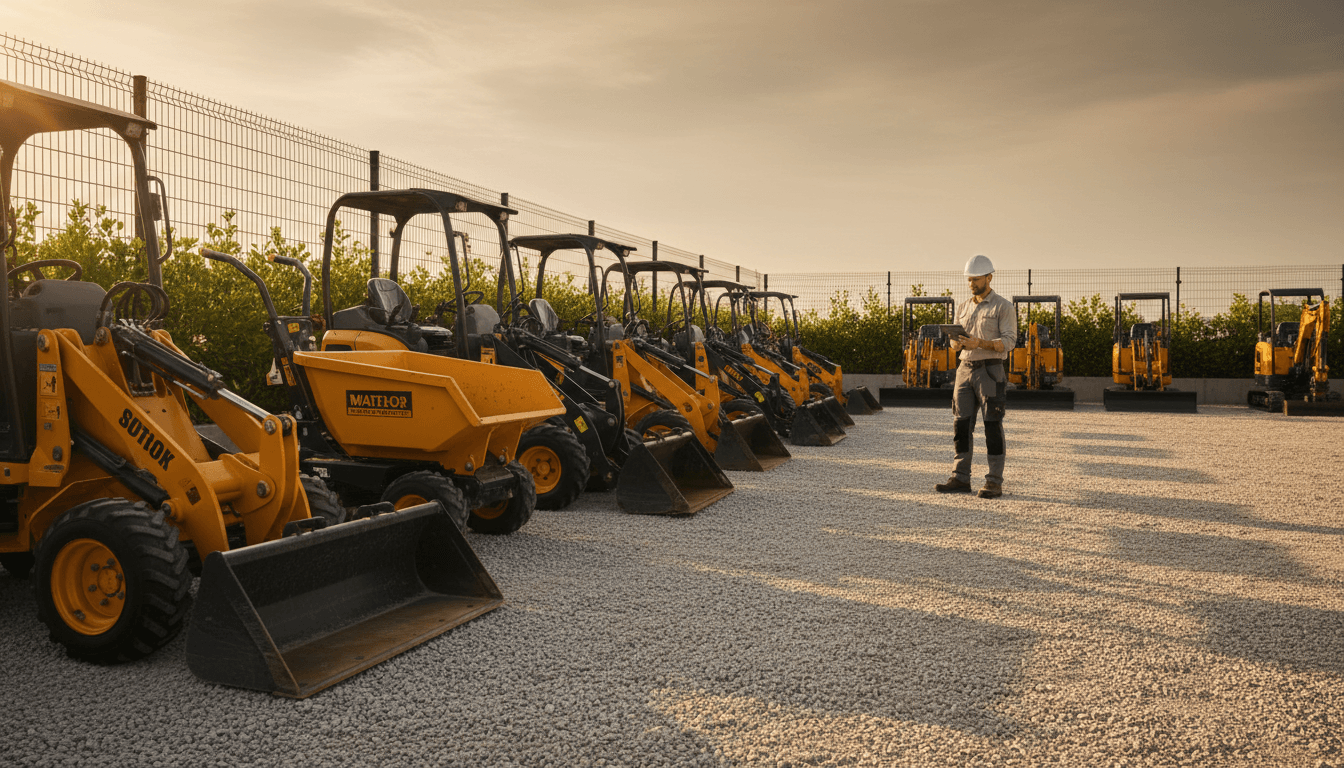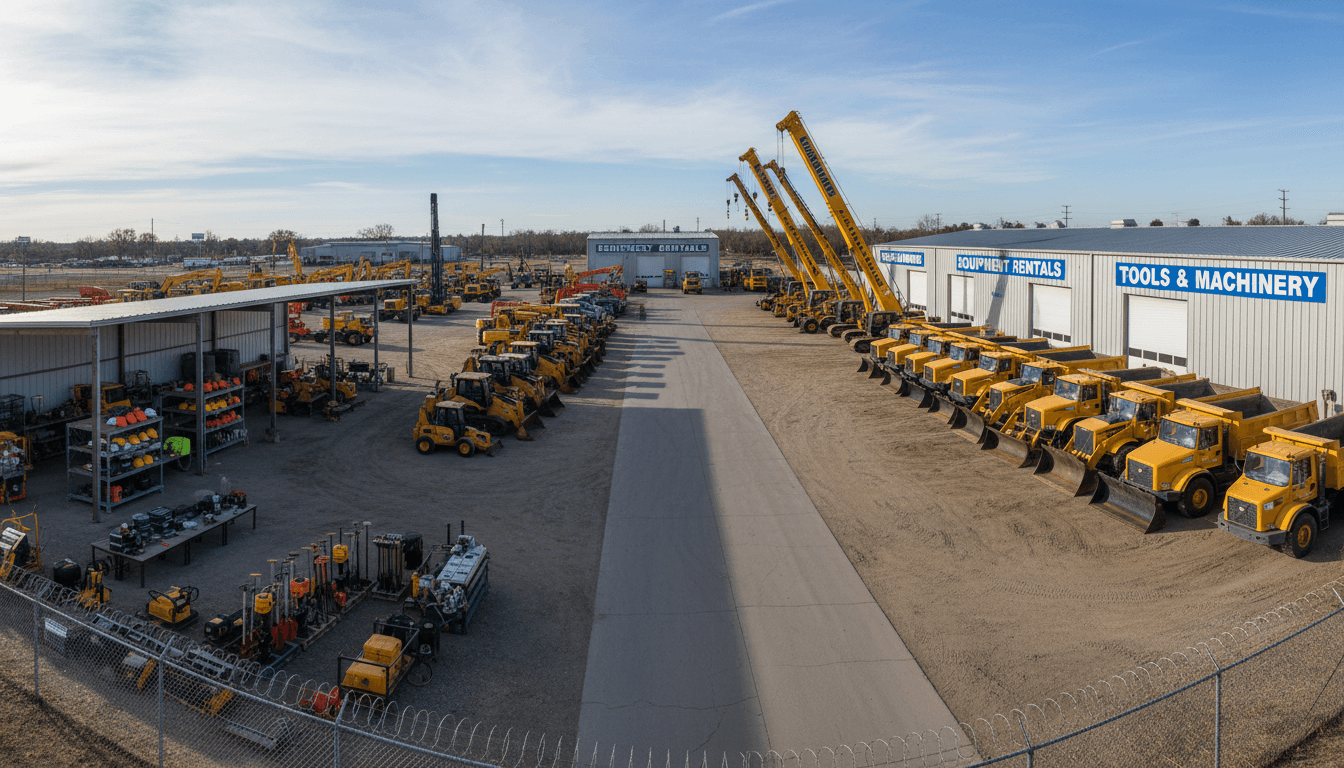
Securing a mini excavator rental Utah allows beginners to efficiently tackle digging, grading, and trenching projects by utilizing professional-grade equipment from local suppliers. Success for first-time operators involves choosing the right machine size for the job site and following basic safety protocols to ensure precise earthmoving results. These rentals provide a cost-effective solution for both residential and commercial landscaping needs throughout the state.
Staring at a pile of rocky Utah dirt with nothing but a shovel is a recipe for a long week and a sore back. Whether you are clearing a residential lot in Nephi or trenching for a new retaining wall in Provo, the sheer physical demand of manual labor often stalls progress before it truly begins. Renting a mini excavator is the most efficient way to reclaim your schedule, but entering a rental yard without a plan can lead to costly mistakes. In this guide, we draw on our local expertise to help you navigate the process from start to finish. You will learn how to select the ideal machine size, why the thumb attachment is an essential tool for local soil, and how to operate your rental safely. We also break down current Utah rental rates and professional techniques for grading and trenching like a seasoned operator.
Why Mini Excavators are the Top Choice for Utah Projects
Residents and contractors across Juab County frequently face the challenge of needing heavy digging power in spaces where a full sized machine simply will not fit. Choosing a mini excavator rental Utah gives you the hydraulic force required for breaking through tough ground without the logistical headache of oversized equipment. These machines provide a compact footprint that is crucial for residential work in Spanish Fork, where navigating between a home and a property line requires precision and a light touch on the turf.
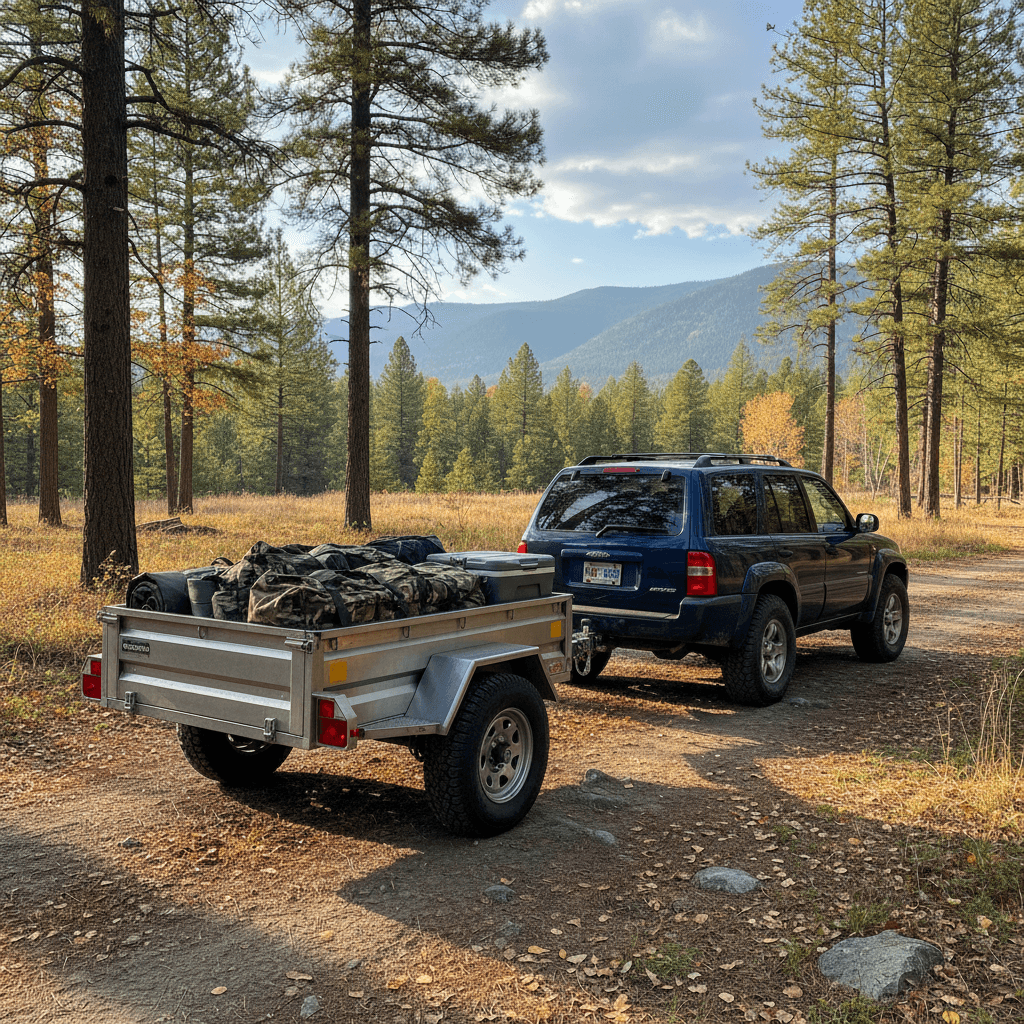
For local homeowners, the learning curve is significantly shorter than that of a standard 20 ton excavator. The controls are responsive and straightforward, making them manageable for first time operators who need to move dirt efficiently. Transporting these units to a job site in Nephi or Santaquin is also far more efficient; most models fit on a standard utility trailer and can be towed by a heavy duty pickup truck.
Our local landscape requires versatile tools to handle diverse tasks. We regularly see these machines used for trenching new irrigation lines, digging footings for tiered retaining walls, and clearing stubborn brush on larger rural lots. By utilizing reliable construction machinery, you can complete in a few hours what would otherwise require days of backbreaking manual labor. If you need a specific machine brought directly to your property, you can contact us for delivery quotes to streamline your project timeline.
Understanding Machine Sizes and the Importance of the Thumb Attachment
Selecting the right machine weight determines how efficiently you can navigate a job site and how much material you can move per hour. Most mini excavator rental Utah options fall into two primary categories: the 3,500 lb class and the 8,000 lb class. A 3,500 lb unit is the go to choice for residential work in Spanish Fork where access is limited by narrow gates or existing structures. These machines typically feature a width of less than 4 feet, allowing them to squeeze into backyard spaces that larger equipment cannot reach. However, the tradeoff for this maneuverability is a shallower dig depth and less lifting capacity.
For larger scale projects like digging footings for a shop or installing a septic system, an 8,000 lb machine offers the necessary breakout force to penetrate compacted soil. While these larger units require more swing room, they provide the reach needed to pile dirt further away from the trench, reducing the need to reposition the machine constantly. If your project involves moving boulders or clearing fallen timber, ensure your rental includes a thumb attachment. A thumb is a hydraulic clamp that acts like an opposing finger to the bucket. In Utah's rocky terrain, a thumb is practically essential; it allows you to pick up and precisely place heavy rocks or logs rather than just pushing them around with the bucket edge.
Ground protection is another vital consideration for local projects. We generally recommend rubber tracks for most professional landscaping equipment used in residential areas. Rubber tracks distribute the machine's weight evenly, which helps protect asphalt driveways and manicured lawns from scarring. Steel tracks are better suited for heavy construction sites or sharp, jagged rock environments where track durability is more important than surface preservation. By matching the track type and machine weight to your specific property conditions, you ensure the job gets done without causing unnecessary damage to your landscape.
Essential Safety Checklist and Utah Regulations for Operators
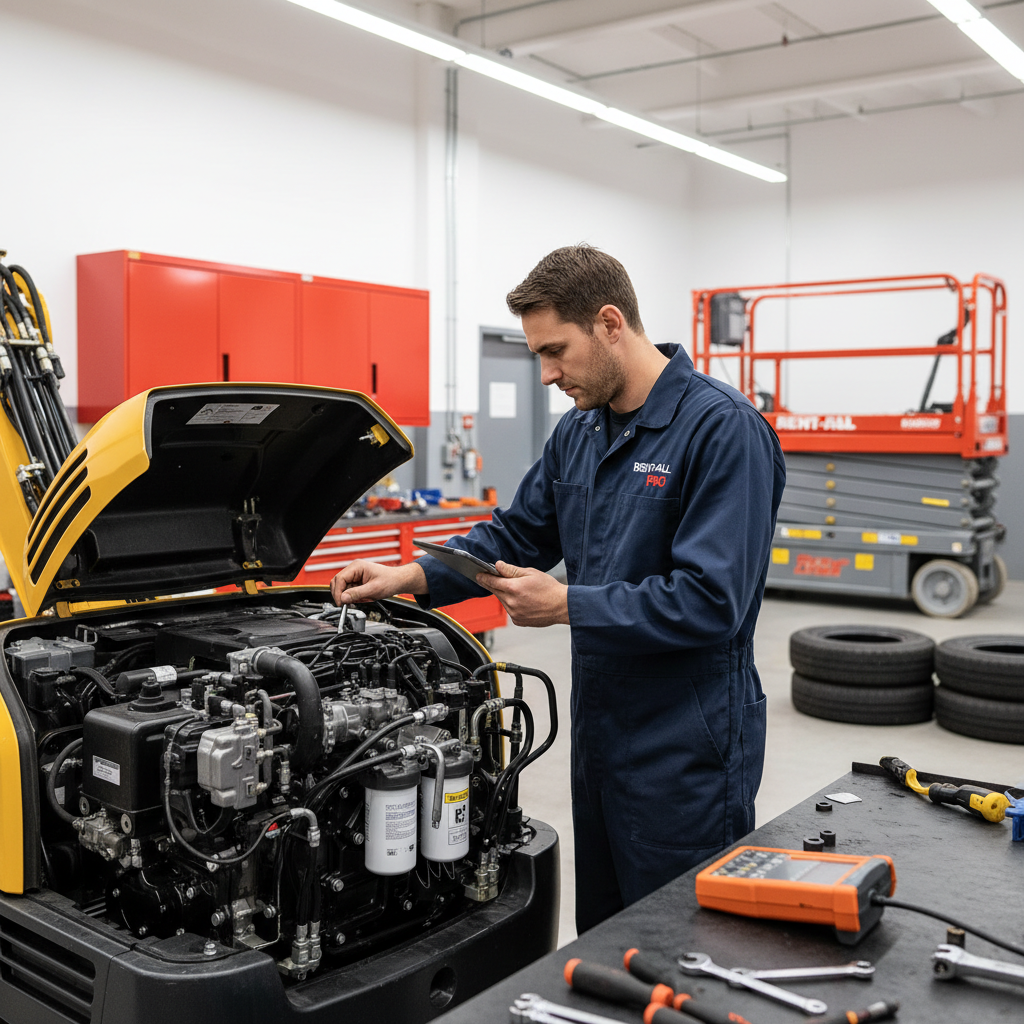
A common question we hear is whether you need a special license to secure a mini excavator rental Utah. For private property owners in Juab County, the answer is no; you do not need a commercial driver’s license or a specific heavy equipment certification to operate this machinery on your own land. While the law allows for unlicensed operation on private sites, the responsibility of safe operation lies entirely with you. We provide a brief overview of the controls upon delivery, but reviewing the manufacturer manual is essential for any first time operator.
Before the tracks even touch the dirt, your first priority is calling 811 for Blue Stakes of Utah. Utah law requires you to notify them at least two business days before any digging project begins. This free service coordinates with utility companies to mark underground power, gas, and water lines. Striking a utility line in Spanish Fork or Nephi is not just a costly mistake; it is a significant safety hazard that can result in heavy fines and emergency utility shutoffs.
To keep your job site safe, follow this five point pre operation checklist:
Perform a visual walk around to check for hydraulic leaks, loose track tension, and engine fluid levels.
Always fasten your seatbelt and lower the safety lockout bar, which is required to engage the hydraulics.
Establish a clear swing zone of at least 15 feet around the machine and ensure no bystanders enter this area while the engine is running.
Confirm that the stabilizer blade is lowered during digging to maintain a firm center of gravity and prevent tipping.
Double check that all 811 markings are clearly visible and that you are not digging within the prohibited buffer zones of marked lines.
If you have questions about specific site requirements, you can contact us for delivery quotes and safety recommendations tailored to your location. Utilizing reliable construction machinery means respecting the power of the hydraulics and the laws governing the Utah landscape.
Step by Step Guide to Operating Your First Rental
Once you have confirmed your site is clear and you are safely buckled in, familiarize yourself with the control layout. Most modern machines use two primary joystick patterns: ISO and SAE. ISO is the industry standard for mini excavators; the left joystick controls the swing of the house and the extension of the outer arm, while the right joystick controls the main boom lift and the bucket curl. Many units feature a selector valve, often located under the seat or behind a side panel, that allows you to toggle between these patterns. If the machine feels counterintuitive, stop the engine and check the selector switch to ensure it matches your preference.
Before you begin digging, lower the backfill blade until it firmly meets the ground. This blade provides a crucial anchor point, preventing the machine from rocking as the bucket breaks through compacted Utah soil. When digging a trench, position the blade facing the hole for maximum stability. If you are grading a site, the blade functions as a mini bulldozer, allowing you to push loose material to fill in low spots or level out a work area efficiently.
Operating reliable construction machinery requires a delicate touch. The hydraulics are highly responsive, so avoid starting at full throttle. Set the engine to about one third speed to reduce the speed of the movements. This lower power setting gives you better control over the boom and arm, preventing the jerky movements that often lead to over digging or accidental contact with nearby structures. Practice by hovering the bucket a few inches above the ground and moving it through its full range of motion. Once you feel comfortable with the coordination between the left and right joysticks, you can slowly increase the throttle to match the pace of your project. If you have questions about a specific model's control layout for your mini excavator rental Utah, you can contact us for delivery quotes and operational guidance tailored to your equipment.
Mini Excavator Rental Prices in Utah: What to Expect
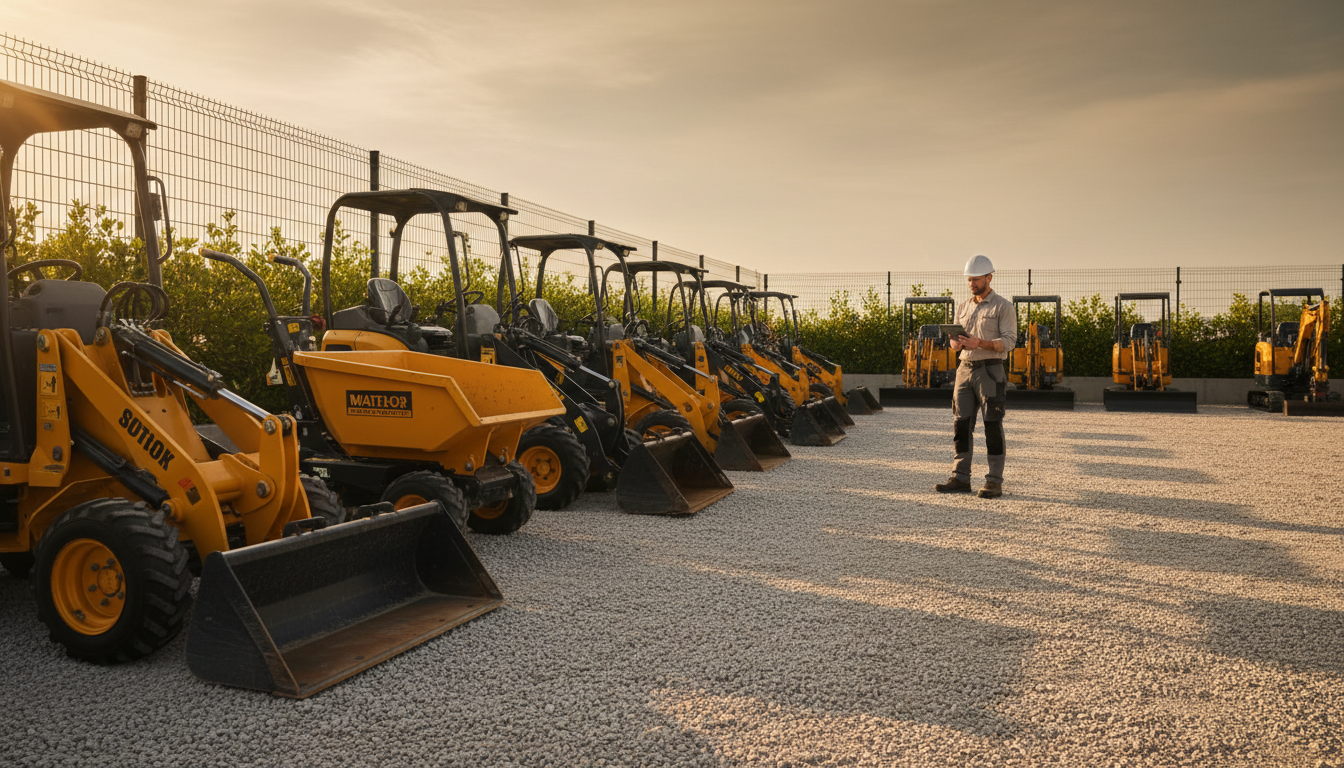
Budgeting for a project requires understanding the local market rates for a mini excavator rental Utah. While prices fluctuate based on machine size and demand, most contractors and homeowners in Juab County can expect rates to fall within standardized windows. A 3,500 lb unit typically ranges from $220 for a half-day to $350 for a full day; larger 8,000 lb machines often start around $410 per day.
Rental Period | Estimated Price Range (3,500 - 8,000 lb) |
|---|---|
Daily Rate | $315 to $425 |
Weekly Rate | $1,050 to $1,500 |
Monthly Rate | $2,800 to $3,800 |
Searching for the cheapest mini excavator rental often leads to hidden costs. A lower base price might reflect older, poorly maintained equipment that risks downtime, which is why we emphasize providing reliable construction machinery that is serviced between every job. For DIYers in Spanish Fork, weekend specials are the most cost-effective way to work. These typically allow for a Friday afternoon pickup and a Monday morning return for the price of a single day’s rental, provided the hour meter remains within the daily limit.
Delivery fees are calculated based on the distance from our Spanish Fork yard to your site in Nephi, Mona, or Santaquin. These fees cover the logistics of hauling heavy equipment and typically range from $75 to $200 depending on mileage and trailer requirements. To get a precise total for your project budget, you can contact us for delivery quotes specifically for your zip code.
Trenching and Grading Tips for Local Soil Types

Juab County terrain varies significantly, requiring different approaches depending on where you are digging. In the valley floors around Spanish Fork and Mona, you will likely encounter heavy clay that becomes incredibly dense during the dry summer months. When working in these conditions, avoid over-filling the bucket; the suction of the clay can make it difficult to dump and puts unnecessary strain on the hydraulics. If you are working closer to the mountain slopes near Nephi, expect rocky, skeletal soil where a thumb attachment and high-quality teeth on the bucket are mandatory to pry loose stubborn cobble.
For effective trenching, your primary goal is maintaining a level machine. Even a slight tilt in the tracks will result in a trench that leans to one side, which complicates the installation of rigid pipes or conduits. If you are working on a slope, use the professional landscaping equipment to cut a flat bench for the tracks to sit on before you begin the main dig. When it comes to grading, use the backfill blade as a screed. By making slight downward adjustments as you reverse the machine, you can pull material smooth to achieve a professional finish on a driveway or shed pad.
A common question for those securing a mini excavator rental Utah is how much work can be accomplished in a single shift. In standard valley soil, a beginner can typically dig 100 to 150 linear feet of a two-foot deep trench in a day. An experienced operator using reliable construction machinery might double that output. However, if you are working in the rocky terrain of the foothills, these estimates can drop by half due to the time spent prying out large rocks. To ensure you have the right machine for your specific soil type, you can contact us for delivery quotes and equipment recommendations.
Renting a mini excavator is an excellent way to tackle your Utah landscaping and trenching projects with precision. Success ultimately relies on following safety protocols and choosing the correct attachments for your specific terrain. If you want expert help determining which machine fits your goals or need guidance on operating equipment safely, we are happy to provide our support. You can learn more about Juab Rentals and our mission to provide the best tools for every project.